Who we are

Casa De Mondo — The House of the World

Two families that shaped modern finance from opposite ends of the continent. One built Switzerland's financial infrastructure. The other connected the Ottoman Empire to European capital markets. Together, their legacy defines who we are.

The house of Escher
The architect of Swiss finance

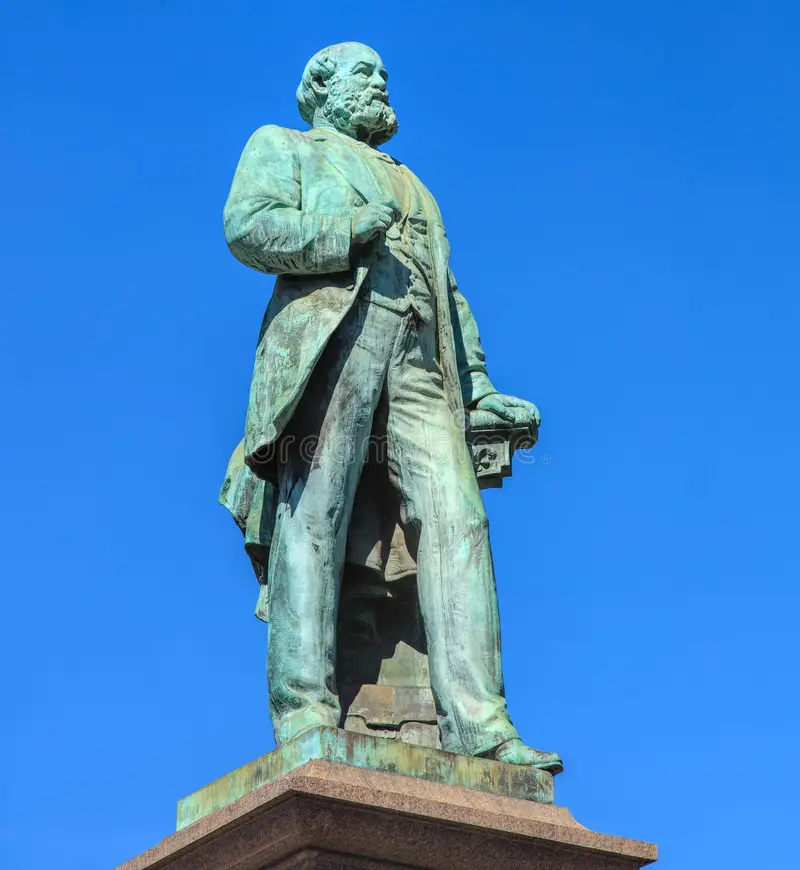
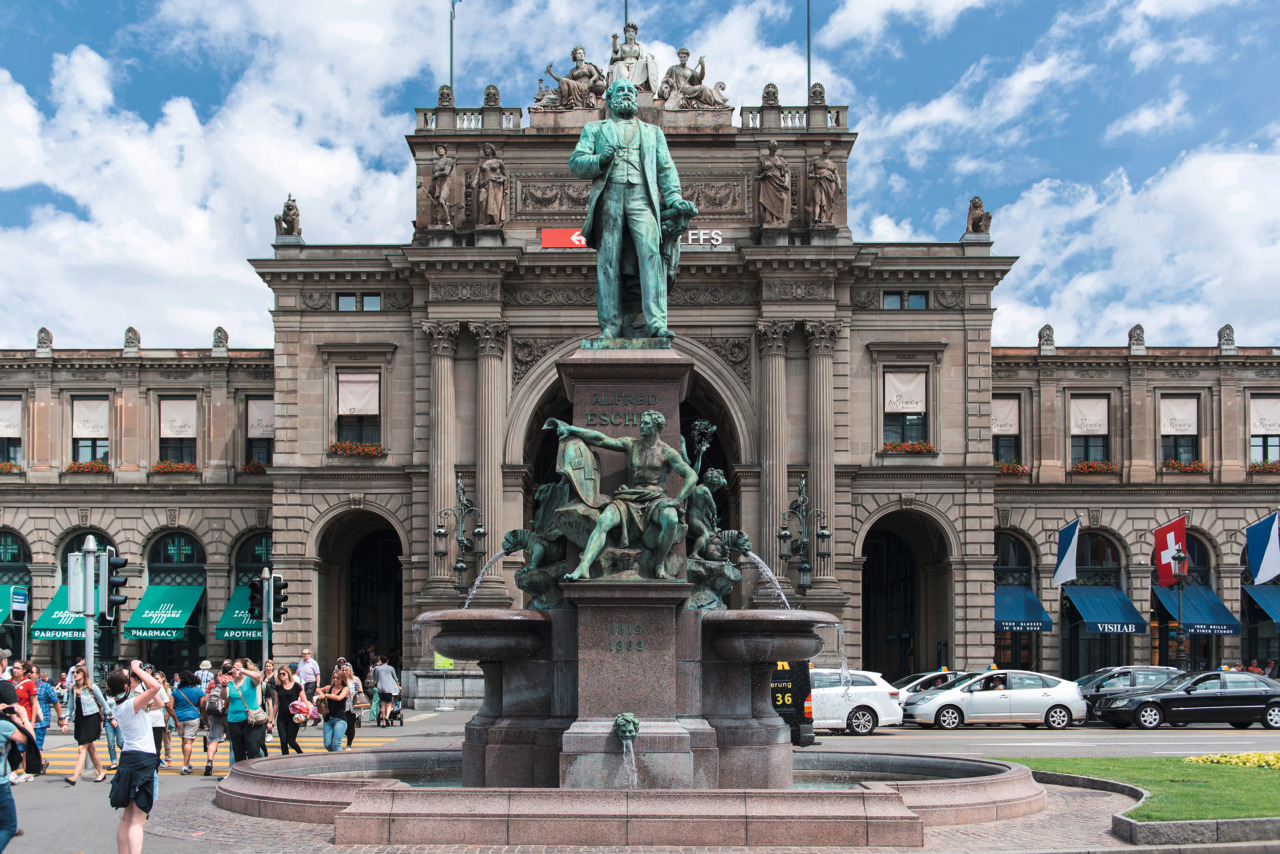
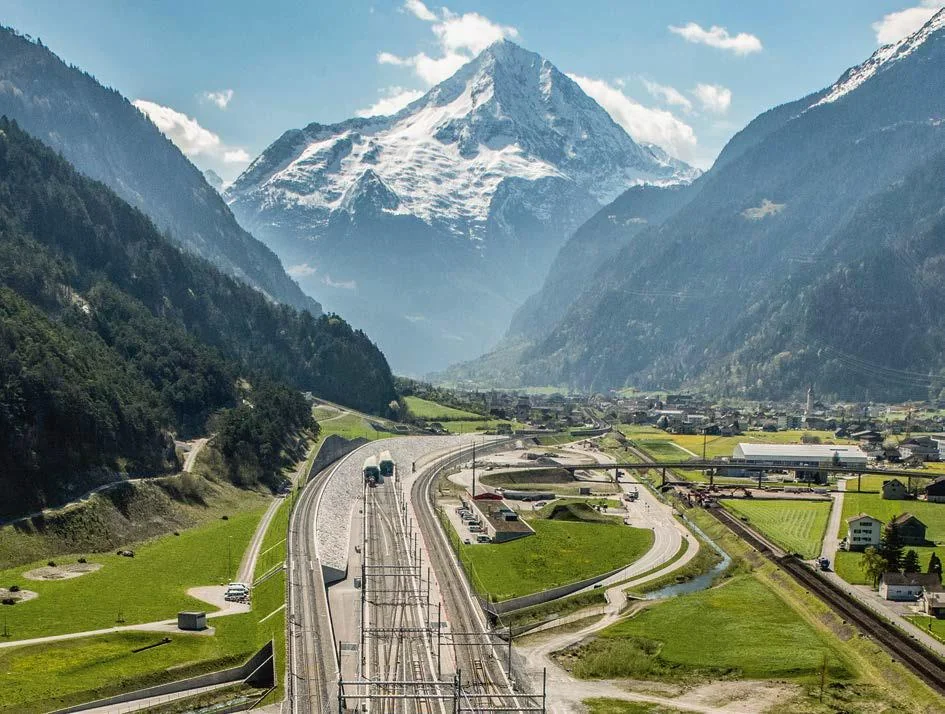
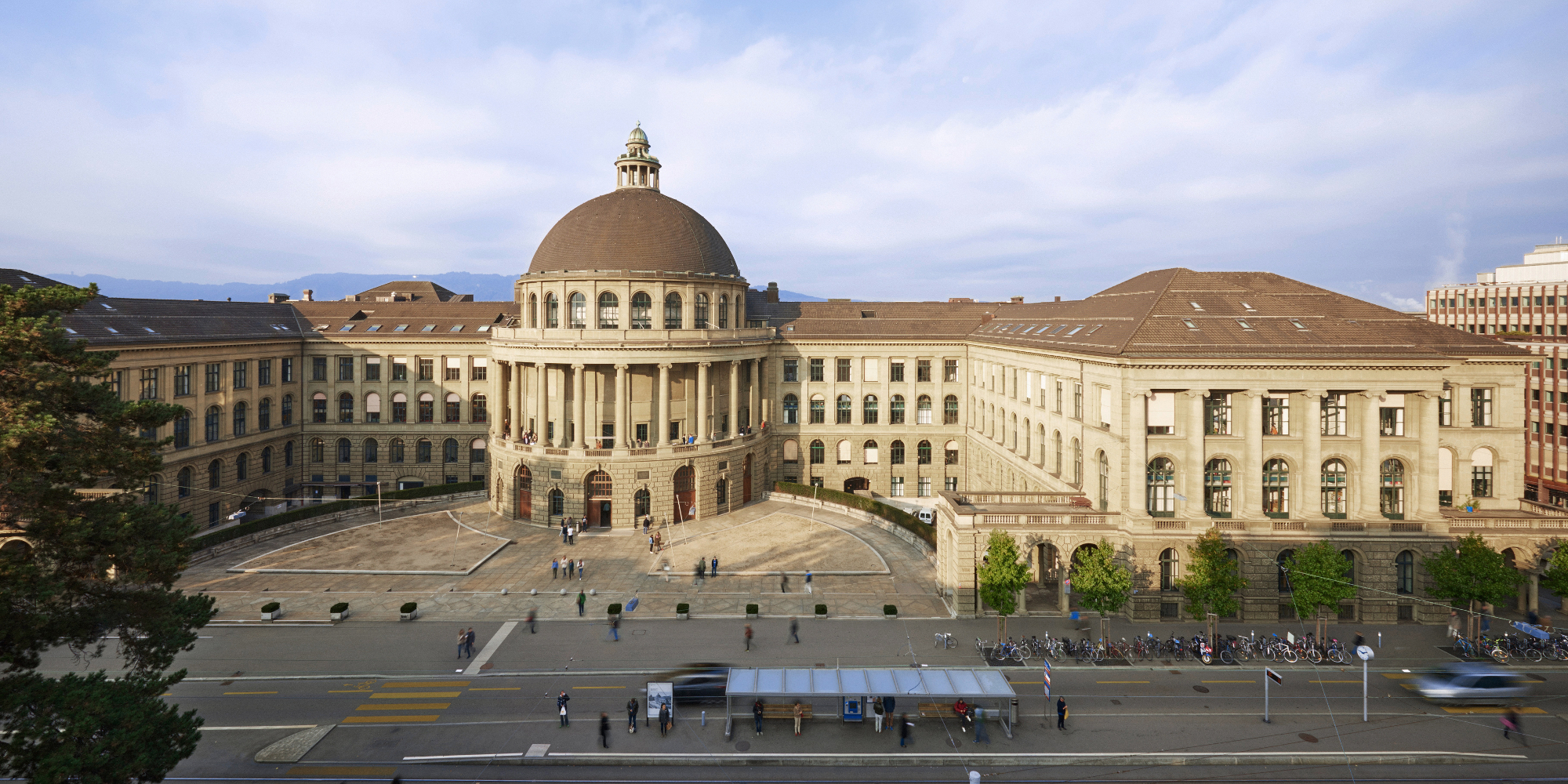
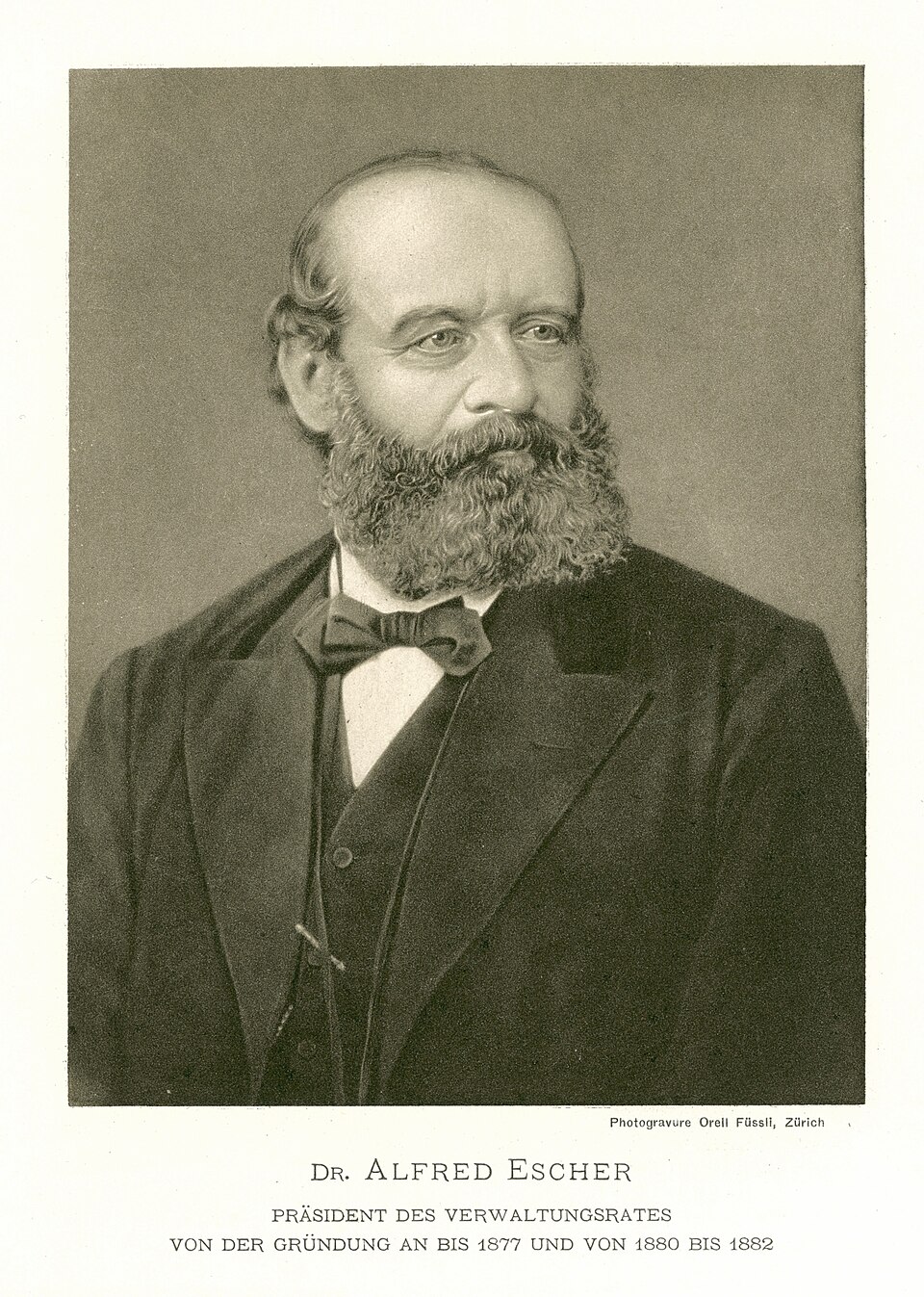
Alfred Escher (1819–1882) did not merely participate in the creation of modern Switzerland — he built it. In a single career, he founded Credit Suisse (1856)[1], conceived and directed the Gotthard Tunnel — the greatest engineering achievement of the 19th century[2] — established ETH Zurich, which would produce 21 Nobel laureates[3], and founded Swiss Life, the nation's first life insurance company. His statue stands today at the entrance of Zurich Hauptbahnhof, facing Bahnhofstrasse — the most famous financial street in the world.

Alfred Escher was a scion of the Escher vom Glas family, one of Zurich's oldest and most influential patrician dynasties[4]. The family's roots in Swiss finance, commerce, and public life extended centuries before Alfred and have continued as a significant force in Swiss banking, industry, and institutional life through the modern era[5].

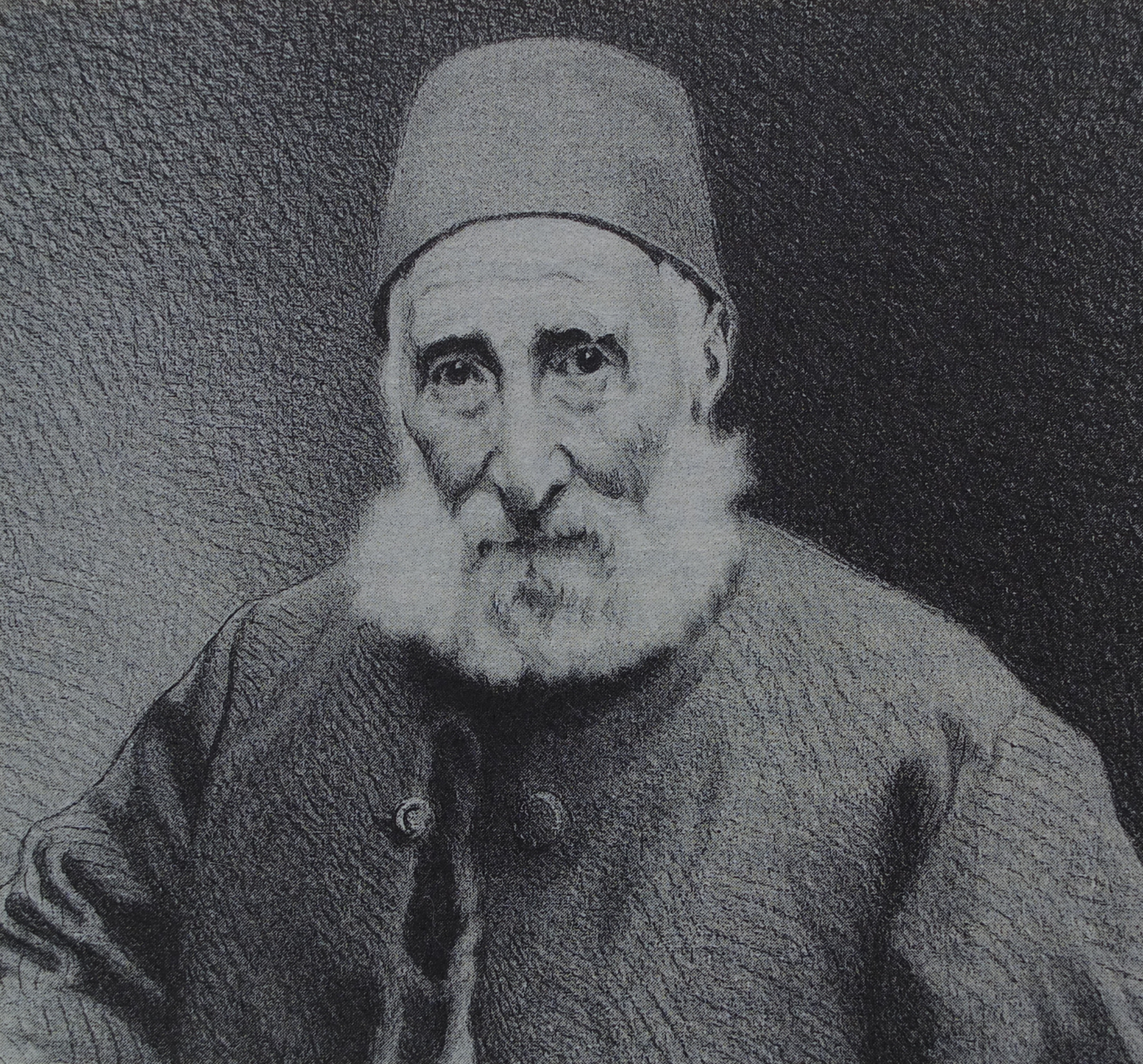
Alfred Escher portrait
Alfred Escher (1819–1882)
Founder of Credit Suisse, builder of the Gotthard Tunnel
Escher Monument Zurich
The Escher Monument
Zurich Hauptbahnhof, facing Bahnhofstrasse
1819
Born into the Escher vom Glas dynasty, one of Zurich's most prominent families[1]
1854
Founded ETH Zurich (Swiss Federal Institute of Technology)[3]
1856
Founded Schweizerische Kreditanstalt (Credit Suisse) to finance Swiss railway expansion[1]
1857
Founded Swiss Life, Switzerland's first life insurance company
1871–1882
Conceived and directed the Gotthard Tunnel — 15km through the Alps, the greatest infrastructure project of the 19th century[2]
"Through his political and economic mandates, Alfred Escher influenced the political and economic development of Switzerland in the 19th century like no other."— Swiss Federal Department of Foreign Affairs[6]
The house of Camondo
The Rothschilds of the East

The name Camondo derives from the Spanish "Casa De Mondo" — "The House of the World."[7] The family's journey began with the expulsion from Spain in 1492. They settled in Venice, then moved to Constantinople when Austria seized Venice in 1798[8]. There, in the heart of the Ottoman Empire, they built one of the most powerful financial houses of the 19th century.

In 1802, Isaac Camondo founded I. Camondo & Cie in Istanbul's Galata district — the banking quarter of the Ottoman capital[8]. His brother Abraham Salomon de Camondo (1781–1873) expanded it into the Ottoman Empire's dominant banking institution — financing the Crimean War, advising the Austrian and Italian governments, and earning the title "The Rothschild of the East."[9] King Victor Emmanuel II of Italy granted Abraham Salomon the title of Count in 1867, with the family motto "Fides et Caritas" — Faith and Charity[8].

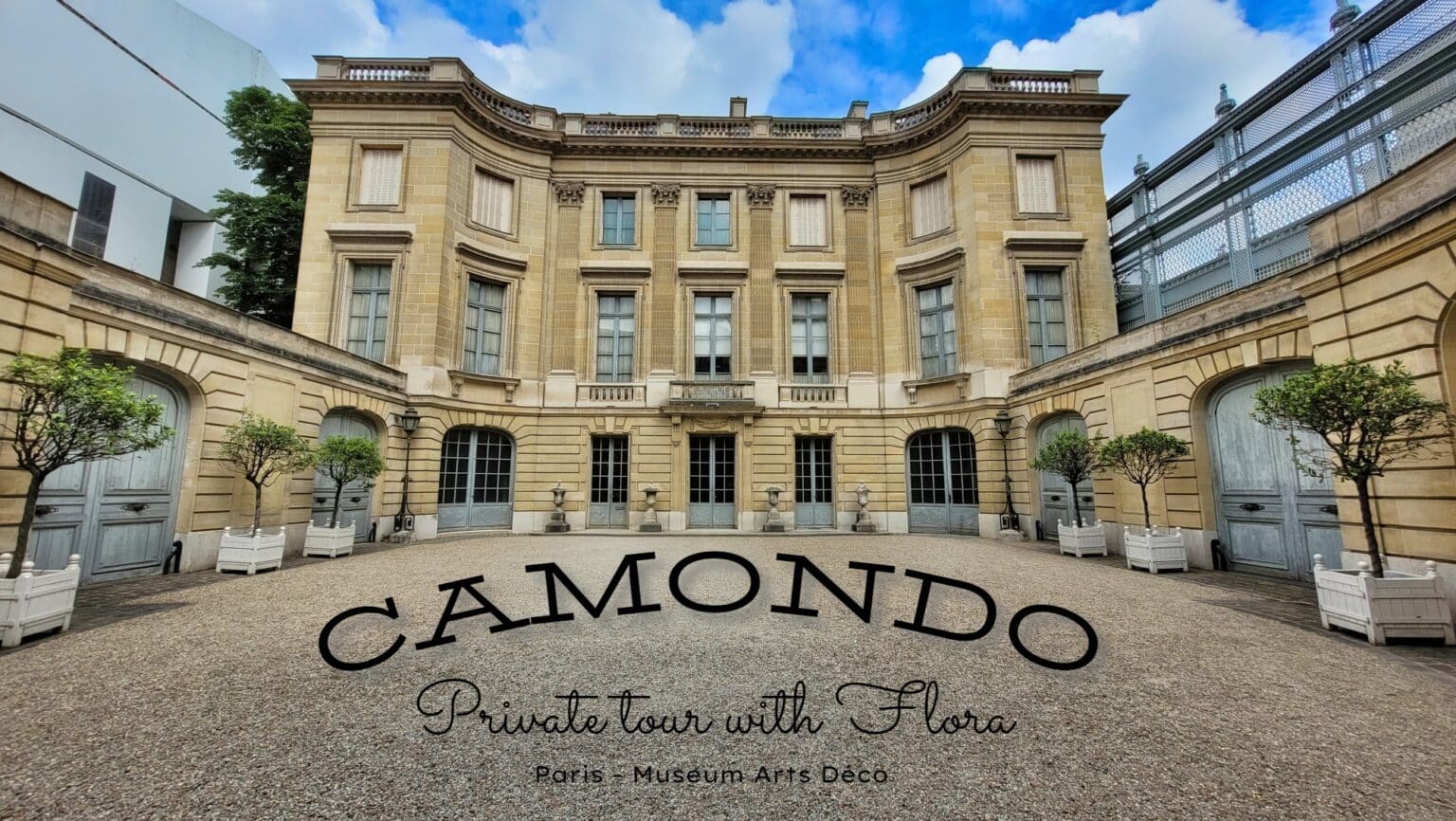
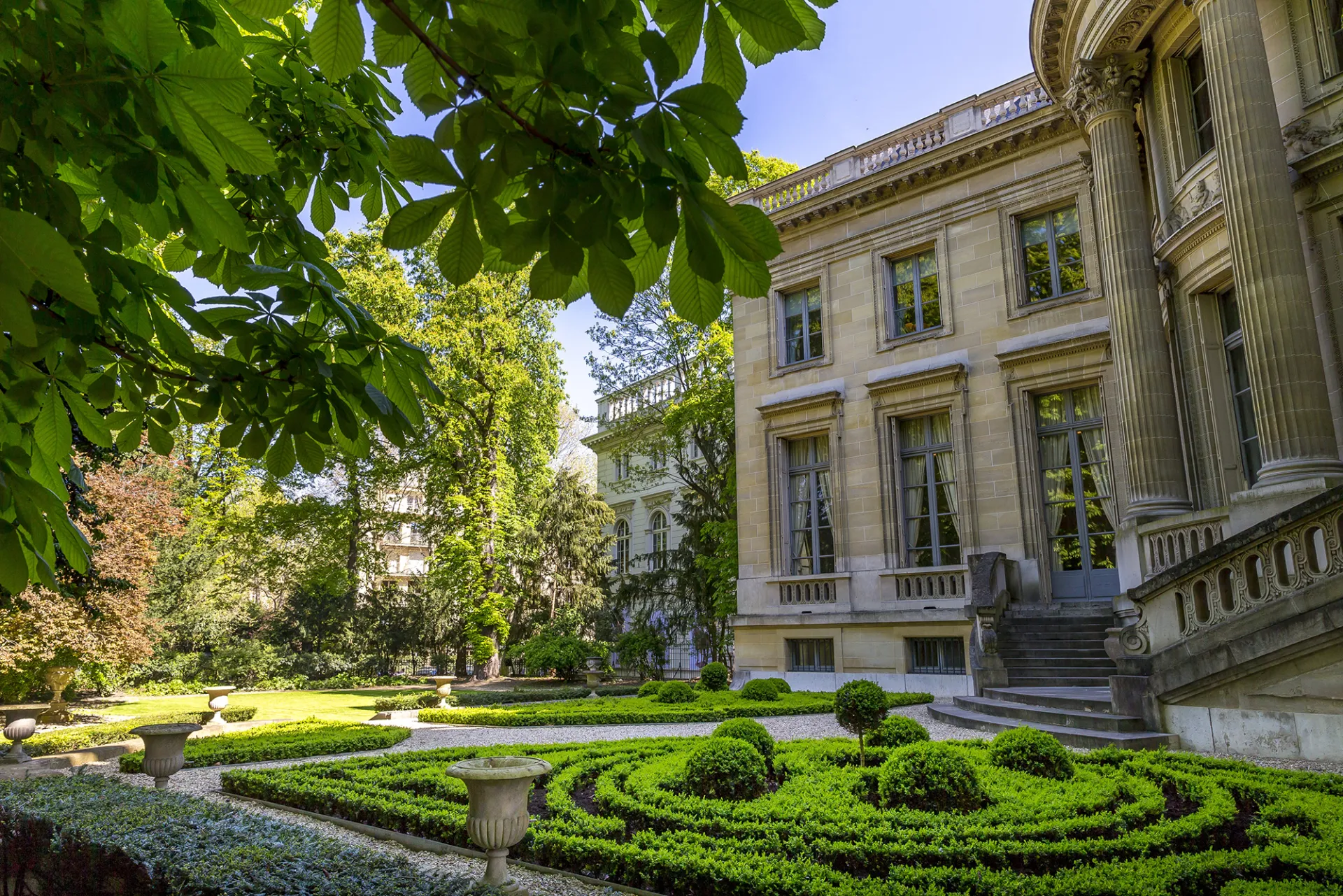
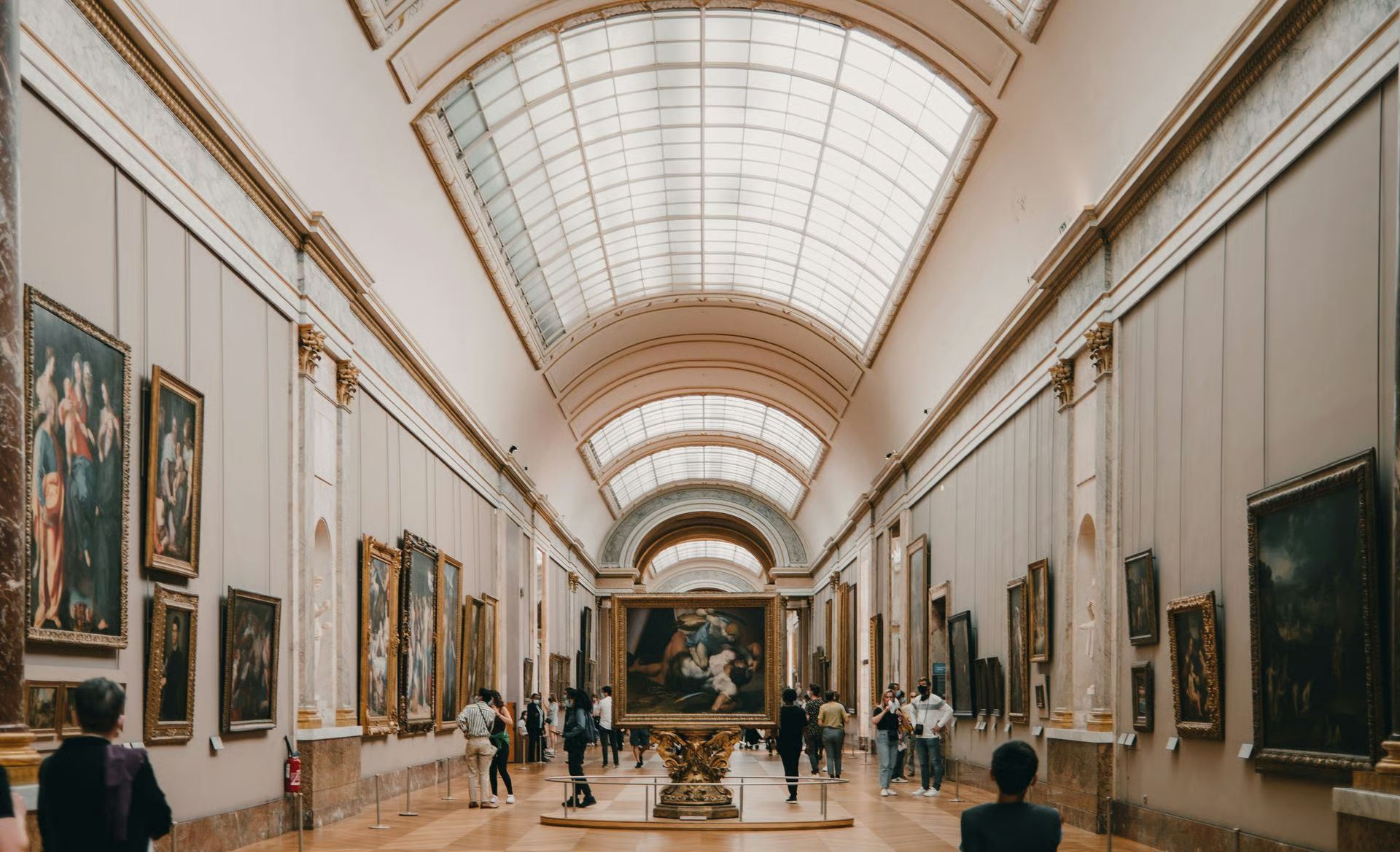
In 1869, the family relocated to Paris, where they became Regents of the Banque de France and partners of Banque de Paris et des Pays-Bas (Paribas)[10]. They assembled one of the most important art collections in French history — masterworks by Monet, Cézanne, Degas, and Manet — donated to the Louvre[8]. Their Paris residence at 63 rue de Monceau became the magnificent Musée Nissim de Camondo, one of the finest decorative arts museums in the world[10].

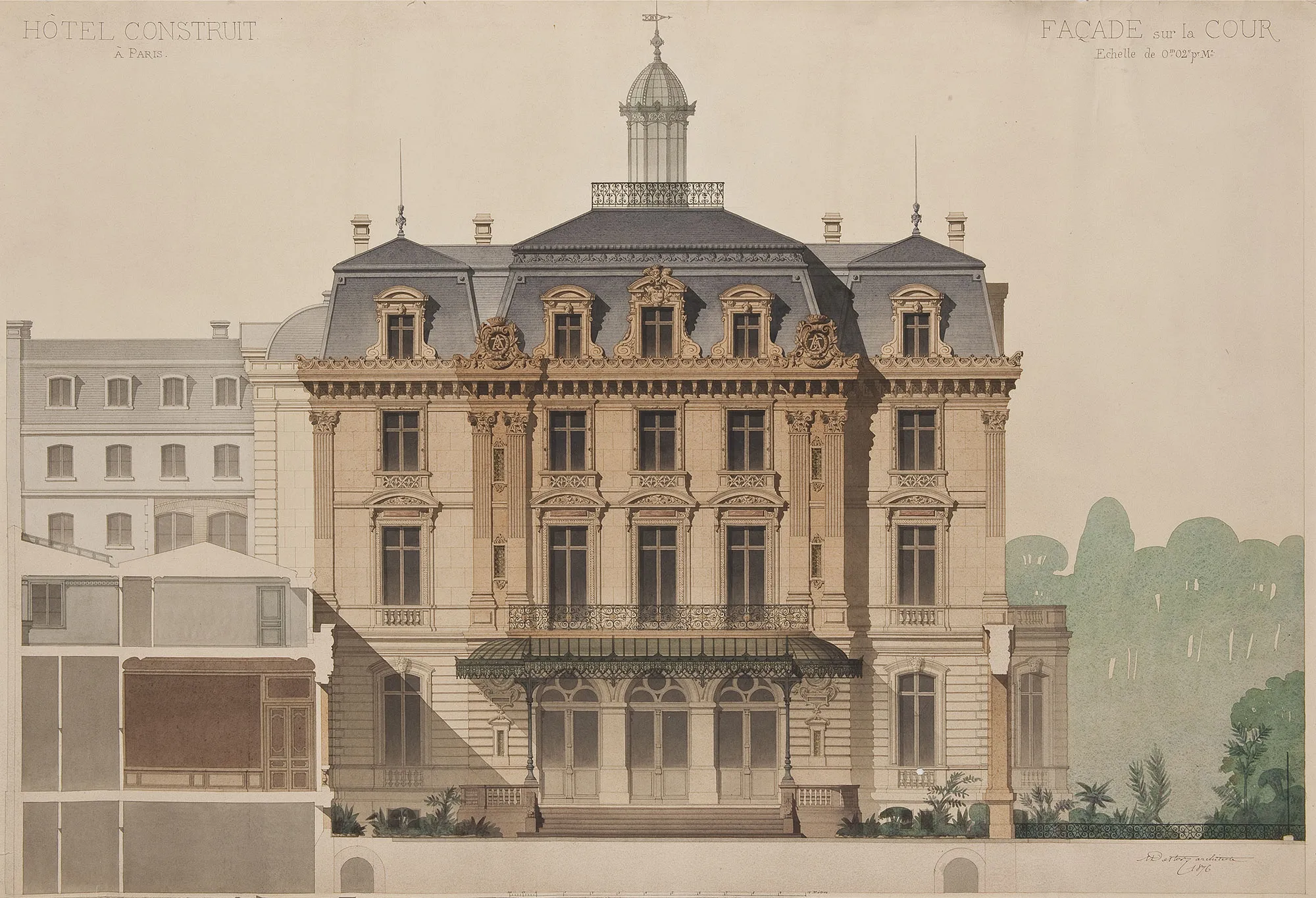
The depth of the Camondo legacy in Parisian finance is perhaps best illustrated by the fate of their neighbouring property. Abraham Behor Camondo's residence at 61 rue de Monceau — acquired in 1870 and designed by architect Denis-Louis Destors — passed through several owners after the family, until in 2005 it was acquired by Morgan Stanley as their Paris headquarters[8]. That one of the world's leading investment banks chose to operate from the former Camondo residence, more than a century after the family first established itself on that street, is a quiet testament to the enduring gravity of the address — and the financial tradition — the Camondos created.

Abraham Salomon de Camondo
The Rothschild of the East. Count. Fides et Caritas.
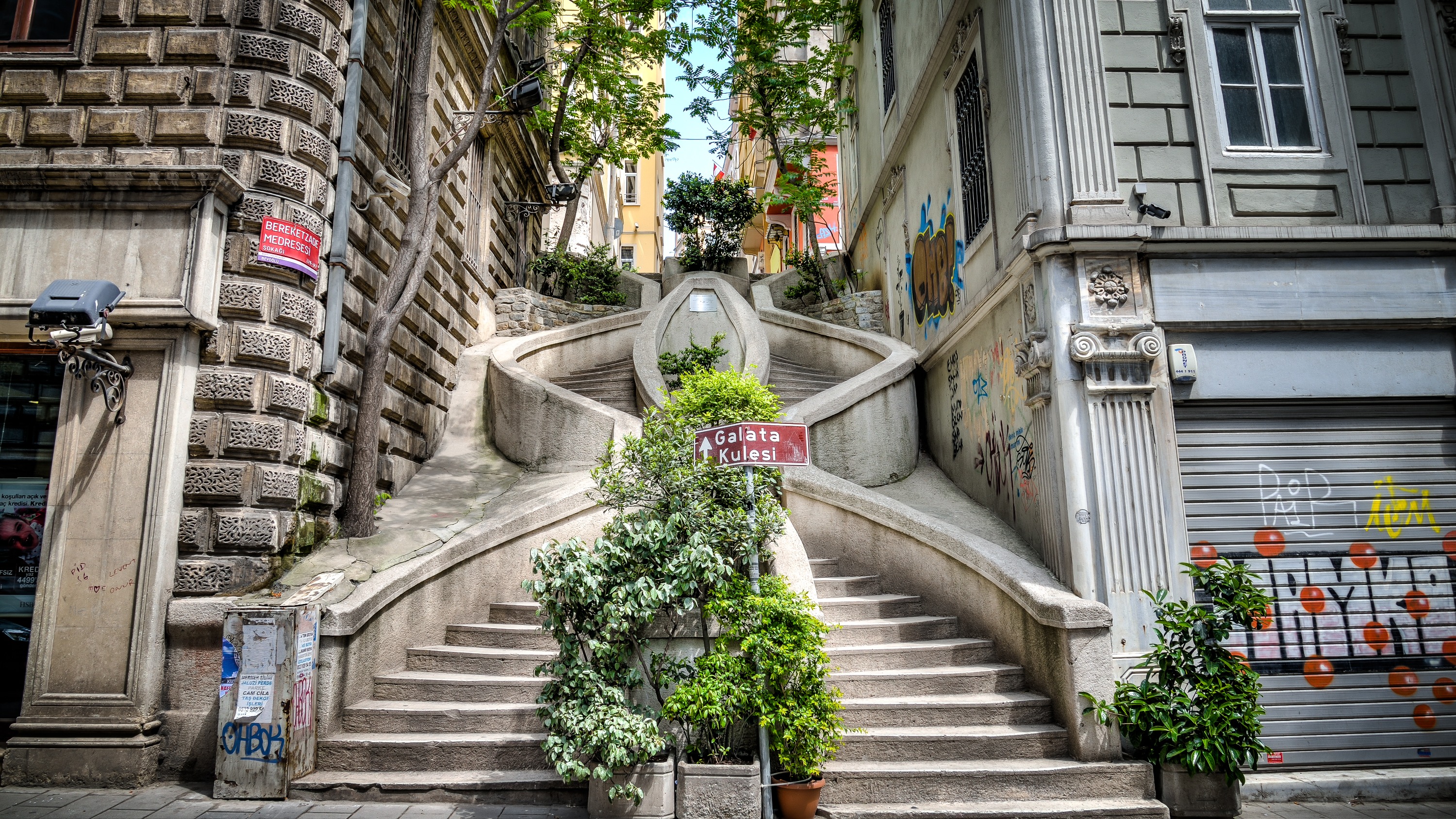
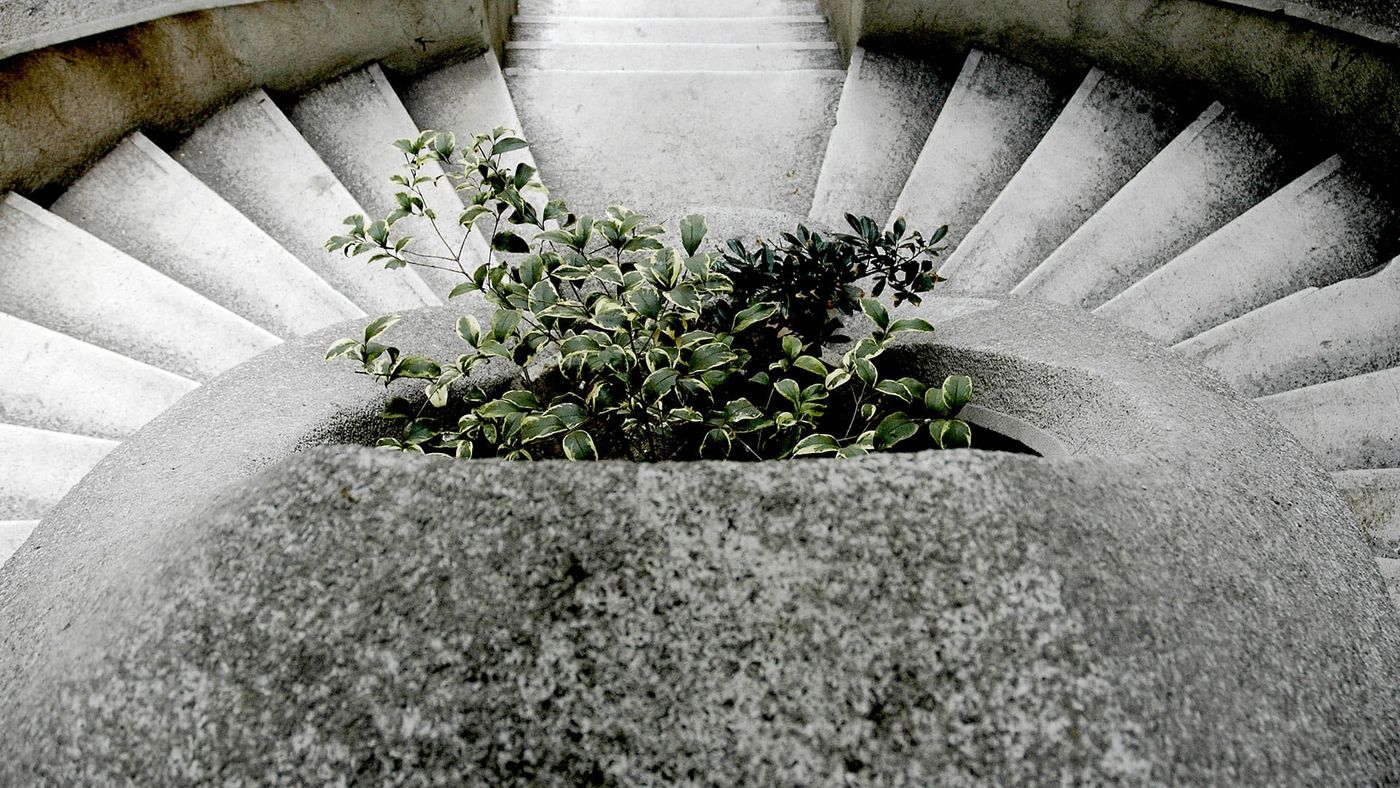
Camondo Stairs Istanbul
The Camondo Stairs
Art Nouveau, Galata, c.1870
Musée Nissim de Camondo interior
Musée Nissim de Camondo
63 rue de Monceau, Paris 8e
61 rue de Monceau Paris
61 rue de Monceau
Since 2005, Morgan Stanley Paris
1492
Family expelled from Spain; settled in Venice[8]
1798
Moved to Constantinople when Austria took Venice[8]
1802
Isaac Camondo founded I. Camondo & Cie[8]
1853–56
Financed the Ottoman Empire's Crimean War effort[9]
1860
Built the Camondo Stairs in Galata[11]
1867
Title of Count granted by the King of Italy. Motto: Fides et Caritas[8]
1869
Relocated to Paris; became Regents of the Banque de France[10]
c.1910
Isaac de Camondo donated his Impressionist collection to the Louvre[8]
1936
Musée Nissim de Camondo opened, dedicated to Moïse de Camondo's son who fell in World War I[10]
2005
Morgan Stanley acquires 61 rue de Monceau — the former Camondo residence — as its Paris headquarters[8]
"Fides et Caritas"
Faith and Charity — the motto of the House of Camondo, granted 1867
Living heritage
Landmarks that endure
Musée Nissim de Camondo

Musée Nissim de Camondo

Paris

63 rue de Monceau. One of the finest decorative arts museums in the world.[10]

61 rue de Monceau

61 rue de Monceau

Paris

Former Camondo residence. Acquired by Morgan Stanley in 2005 as their Paris headquarters.[8]

Camondo Stairs

The Camondo Stairs

Istanbul

Art Nouveau stairway in Galata, photographed by Henri Cartier-Bresson.[11]

Escher Monument

The Escher Monument

Zurich

Bronze statue at Zurich Hauptbahnhof, the most prominent public monument in Switzerland's financial capital.[6]

Gotthard Tunnel

The Gotthard Tunnel

Swiss Alps

Alfred Escher's defining achievement. The 2016 Base Tunnel (57km) continues his vision.[2]

ETH Zurich

ETH Zurich

Zurich

Founded by Alfred Escher, 1854. 21 Nobel laureate alumni including Einstein.[3]

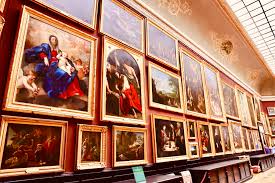
Impressionist Collection

Impressionist Collection, Louvre

Paris

Isaac de Camondo's bequest — Monet, Cézanne, Degas, Manet.[8]

Camondo Palace

Camondo Palace

Istanbul

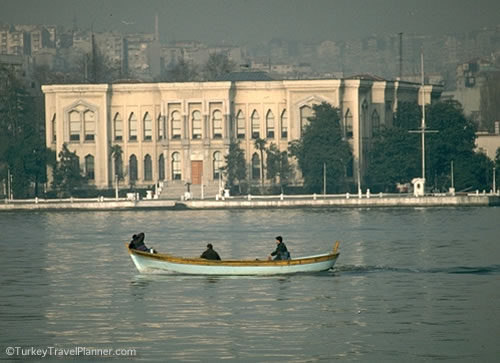
Seaside mansion on the Bosphorus, designed by Sarkis Balyan (1865–1869).[11]

Convergence
Two families, one tradition

The Second World War was a rupture in European history that no family of consequence escaped unscathed. The Paris branch of the Camondo family suffered an irreparable loss — Béatrice de Camondo and her children perished in the Holocaust, commemorated by a plaque at the Musée Nissim de Camondo[10].

But the House of Camondo was always larger than its Paris branch. The family's deepest roots lay in Istanbul, where they had prospered for over a century before the move to France. The bank's founder, Isaac Camondo, had established a network of family, associates, and descendants across the Ottoman territories and the Mediterranean[8]. Turkey's neutrality during the Second World War ensured that these branches survived intact. In the post-war decades, the surviving Camondo interests regrouped — first in Istanbul, then progressively through Geneva, where Switzerland's neutrality, banking infrastructure, and tradition of private wealth management offered a natural home for a family that had already learned, across five centuries, how to preserve capital through upheaval.

Meanwhile, the broader Escher vom Glas dynasty — documented by academic research as one of Zurich's five most powerful patrician families well into the 20th century[5] — continued to maintain significant financial interests through private investment structures. By the mid-20th century, the family's investment activities had consolidated into a Zurich-based family office, managing long-term positions in Swiss and European infrastructure, real estate, and industrial assets — the sectors Alfred Escher himself had pioneered.
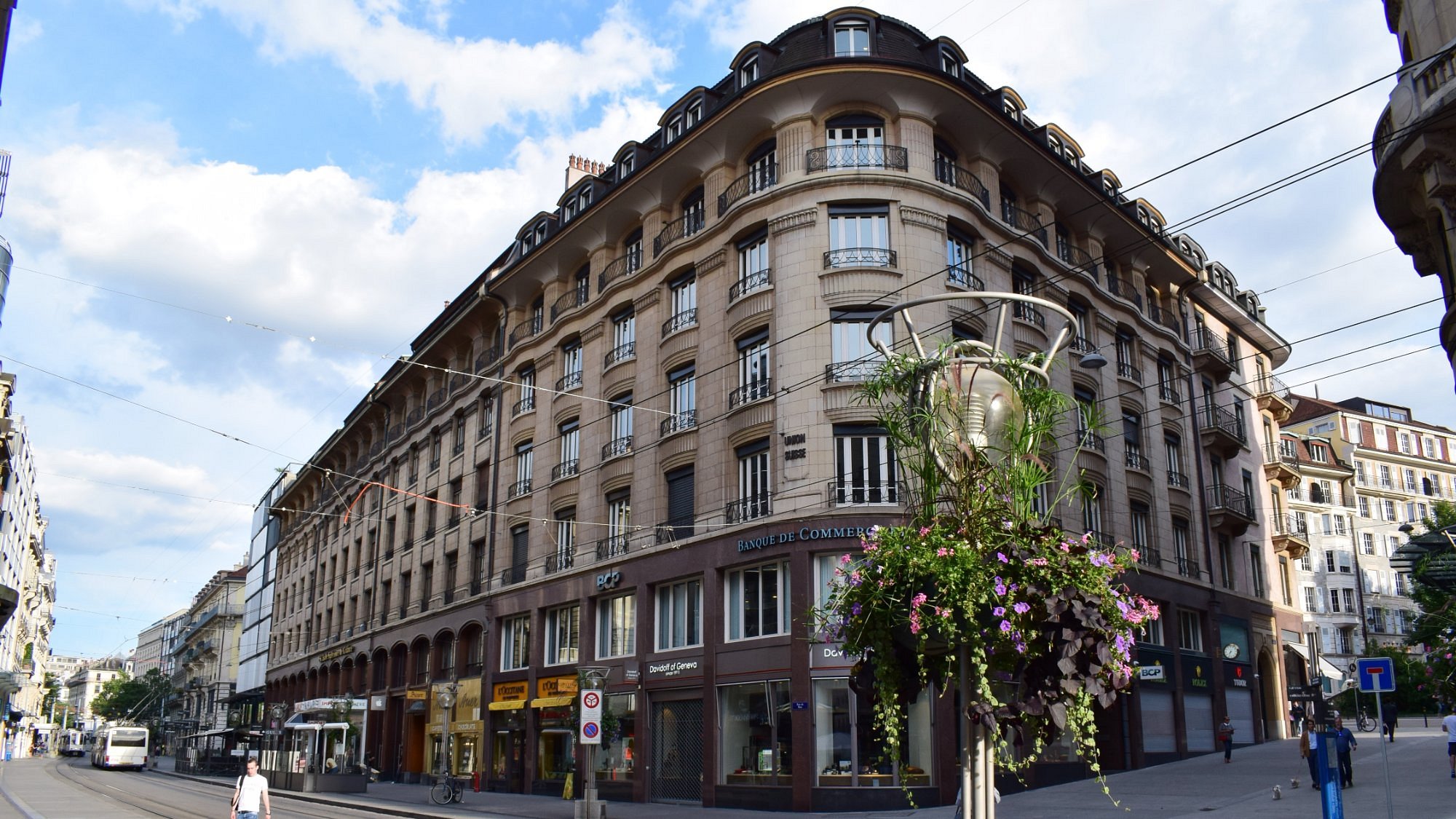
Rue du Rhône Geneva
Rue du Rhône, Geneva
The heart of Geneva's private banking district
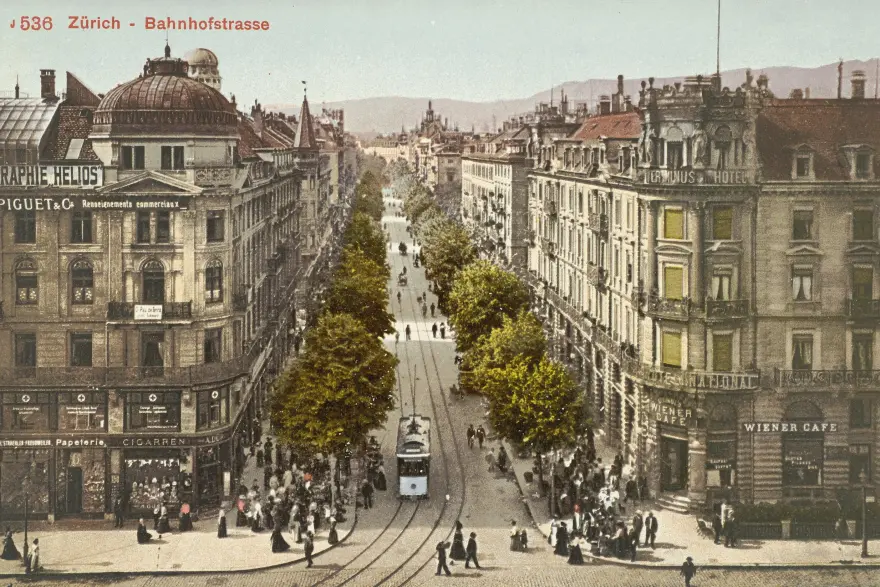
Bahnhofstrasse Zurich
Bahnhofstrasse, Zurich
Home to generations of Escher family financial interests
The path to Escher & Camondo
From shared interests to shared purpose

The convergence of the two families was neither sudden nor accidental. It followed the natural logic of Swiss private finance — a world where the oldest families share advisors, co-invest in the same transactions, and build relationships across generations before formalising them.

Post-war decades
Both families maintained private investment structures in Switzerland — the Escher interests in Zurich, focused on infrastructure and industrial assets; the Camondo interests in Geneva, focused on real estate, trade finance, and cross-border opportunities connecting Europe with the Eastern Mediterranean and the Gulf.
Late 1990s
The two families' investment interests began to overlap in European infrastructure privatisation — the wave of toll road, utility, and port concessions that swept the continent in the lead-up to EU enlargement. Both families participated, through separate vehicles, in several of the same transactions — first as co-investors, then as collaborators sharing due diligence and structuring resources.
2003–2005
A series of joint infrastructure investments in Southern and Eastern Europe formalised the working relationship. The Camondo side contributed cross-border capital access and relationships across the Mediterranean, the Gulf, and Greater China. The Escher side contributed Swiss structuring discipline, regulatory navigation, and deep connections in European institutional finance.
2006
First investments made under the joint "Escher & Camondo" designation — initially an informal co-branding of shared deal flow between the two family offices.
2011
The two families formally unified their joint investment activities under the Escher & Camondo designation through a Geneva-based private arrangement, with a mandate to structure and deploy capital across infrastructure, clean energy, and real estate on a global basis. The firm drew its initial team and deal pipeline from the combined networks of both families, constituted as a professional investment practice carrying forward the values and expertise of its founding traditions.
2021–present
Progressive expansion of the firm's international presence and investment scope. Establishment of the London office as the advisory and structuring headquarters, followed by Dubai for Middle East investor coverage and regulated issuance, Hong Kong for Greater China capital markets and institutional access, and Beijing for mainland infrastructure advisory and investor relations. Building on a decade of cross-border structuring experience, the firm launched its four-continent investment programme — UK and European clean energy, Chinese national infrastructure, African port and trade development, and distressed real estate opportunities — evolving into a full-service specialist investment bank with global origination and distribution capability. The founding families maintain a continuing interest through the firm's governance structure.
"Alfred Escher proved that a single institution could reshape the financial infrastructure of a nation. The House of Camondo proved that a single family could bridge the divide between East and West. Escher & Camondo is where these two traditions converge — not as a memorial, but as a living practice."— Founding statement, Geneva, 2011
Est. 2011
Geneva · London · Dubai · Hong Kong · Beijing

Two legacies. Five centuries of financial tradition. One firm built to connect infrastructure and capital across continents.

CAPITAL · ASSETS · ADVISORY · MARKETS

Explore our capabilities
Sources and references
Historical documentation

All historical claims on this page are grounded in publicly verifiable sources. Principal references are listed below.

  1. [1] Wikipedia, "Alfred Escher." en.wikipedia.org/wiki/Alfred_Escher. Covers founding of Credit Suisse (1856), ETH Zurich, Swiss Life, Gotthard Railway Company, and the Escher vom Glas family lineage.
  2. [2] Swiss Federal Department of Foreign Affairs (FDFA), "Alfred Escher: a visionary of modern Switzerland." aboutswitzerland.eda.admin.ch. Official Swiss government source on Escher's role in the Gotthard Tunnel and Swiss modernisation.
  3. [3] ETH Zurich official website. Founded 1854/55 through the initiative of Alfred Escher. 21 Nobel Prize laureates among alumni and faculty, including Albert Einstein.
  4. [4] Wikipedia, "Escher vom Glas." The Escher vom Glas family is documented as one of Zurich's most prominent patrician dynasties.
  5. [5] Bühlmann, F., David, T., & Mach, A. (2024). "The Swiss Patrician Families between Decline and Persistence: Power Positions and Kinship Ties (1890–1957)." Social Science History, Cambridge University Press. Documents the Escher family as holding 17 power positions in Zurich/Winterthur, ranking among the city's top five patrician dynasties.
  6. [6] Swiss Federal Department of Foreign Affairs (FDFA). "Through his political and economic mandates, Alfred Escher influenced the political and economic development of Switzerland in the 19th century like no other."
  7. [7] DeCamondo Collection, "Camondo Family." decamondo.com.tr. "Camondo name comes from Casa De Mondo in Spanish, (The House of the World)."
  8. [8] Wikipedia, "House of Camondo." en.wikipedia.org/wiki/House_of_Camondo. Covers family history from Spain (1492) through Venice, Constantinople, and Paris. Documents Isaac Camondo founding the bank (1802), the move to Paris (1869), the art collection donated to the Louvre, 61 rue de Monceau becoming Morgan Stanley's Paris office (2005), and surviving descendants of Isaac Camondo.
  9. [9] Encyclopedia.com, "Camondo." encyclopedia.com/...camondo. Documents Abraham Salomon as "the Rothschild of the East," Crimean War financing, and role as financial adviser to Austria and Italy.
  10. [10] Musée des Arts Décoratifs (Paris), "The origins of the family and the bank." madparis.fr. Official museum source on the Camondo banking history, the move to Paris, partnership with Banque de Paris et des Pays-Bas, and the establishment of the Musée Nissim de Camondo.
  11. [11] Atlas Obscura, "Camondo Stairs in Istanbul." atlasobscura.com. Built c.1870–1880 by Abraham Salomon Camondo. Covers the family's legacy in Istanbul including the Camondo Palace.
  12. [12] University of Washington, Stroum Center for Jewish Studies, "An Ottoman Jew in Paris: The Story of Moïse de Camondo and His Museum." jewishstudies.washington.edu. Academic analysis of the Camondo family's role in Parisian finance and the Pereire brothers' development of the plaine Monceau neighbourhood.