Convergence
Two families, one tradition
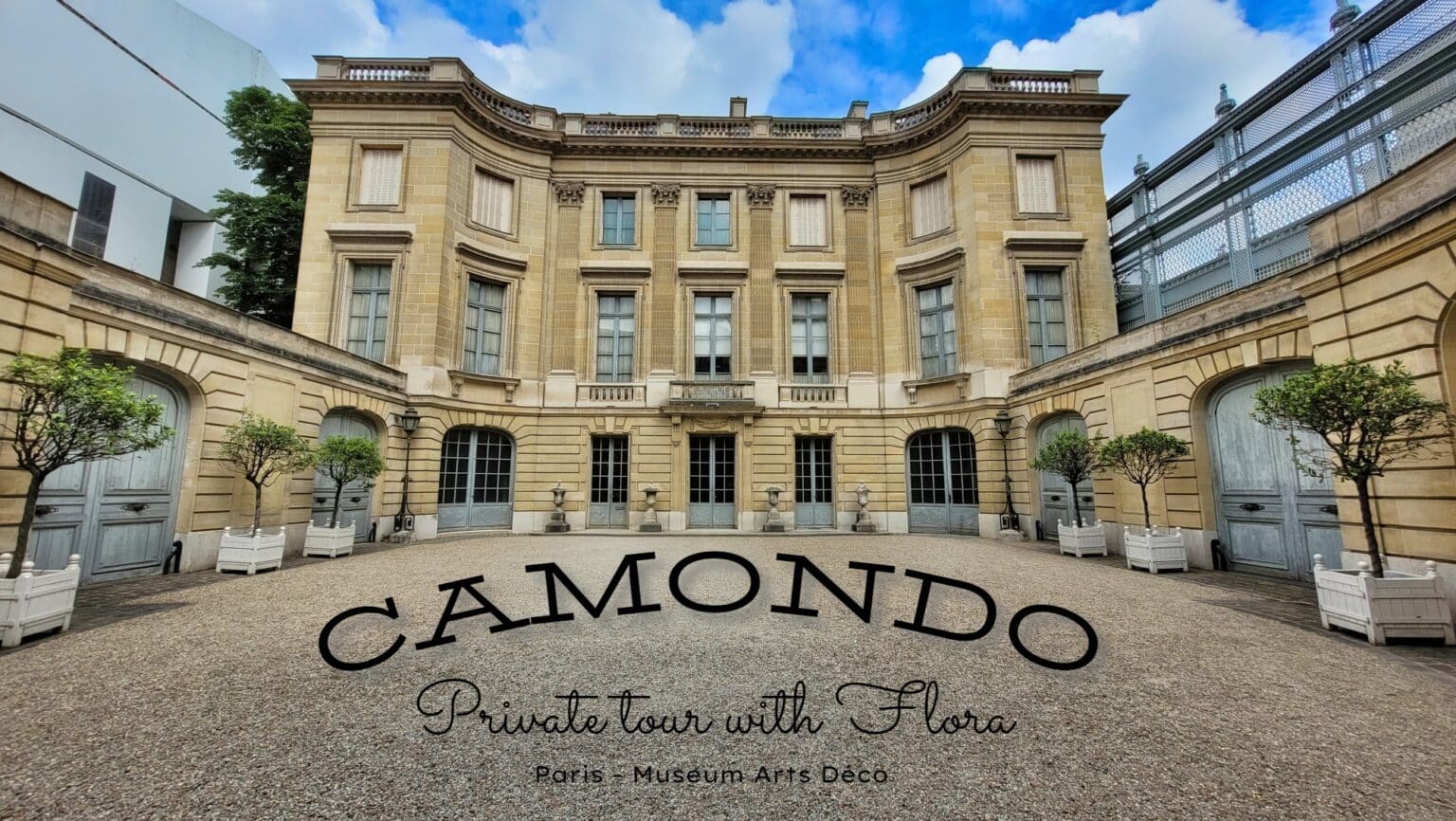
The Second World War was a rupture in European history that no family of consequence escaped unscathed. The Paris branch of the Camondo family suffered an irreparable loss — Béatrice de Camondo and her children perished in the Holocaust, commemorated by a plaque at the Musée Nissim de Camondo[10].
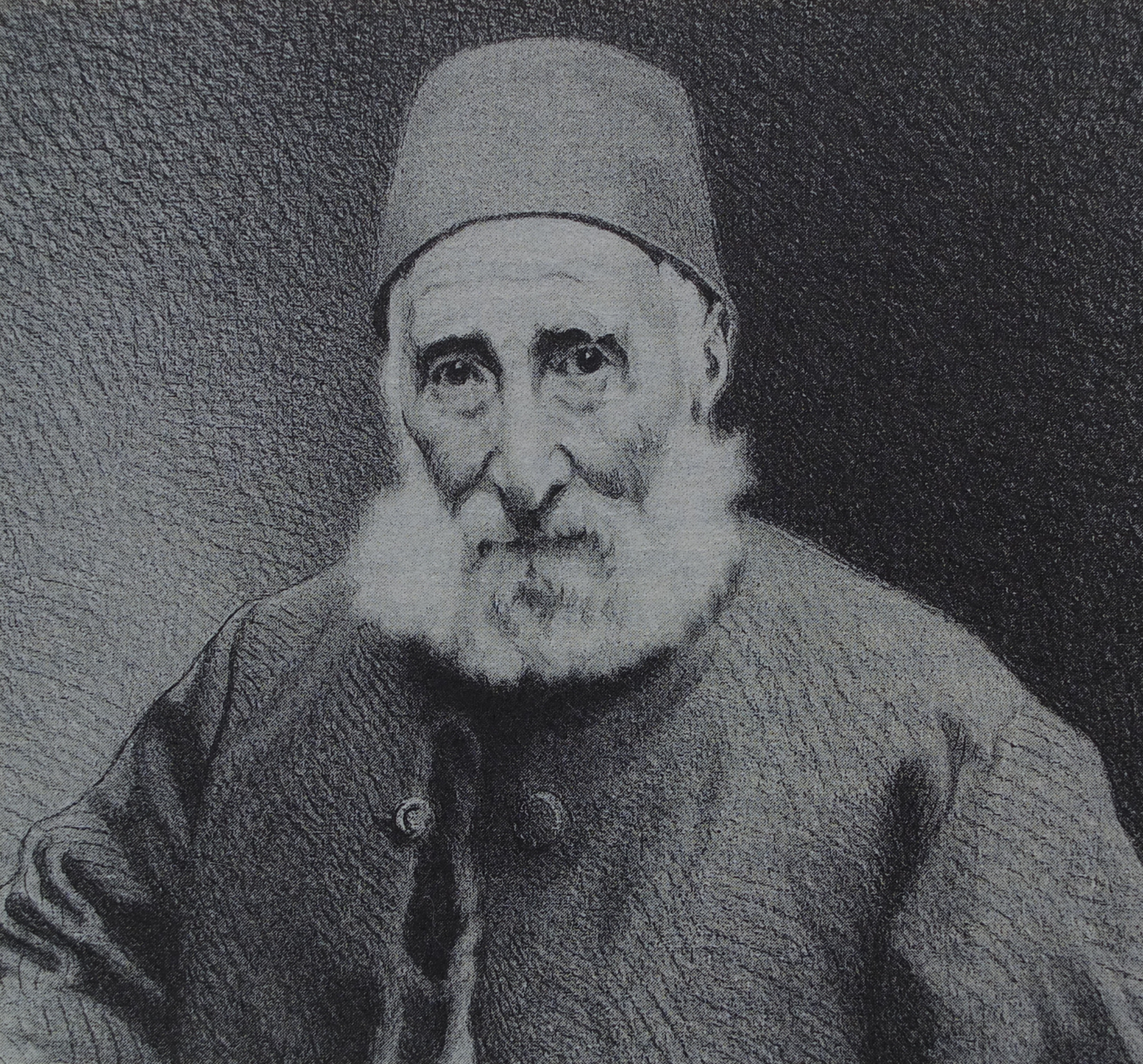
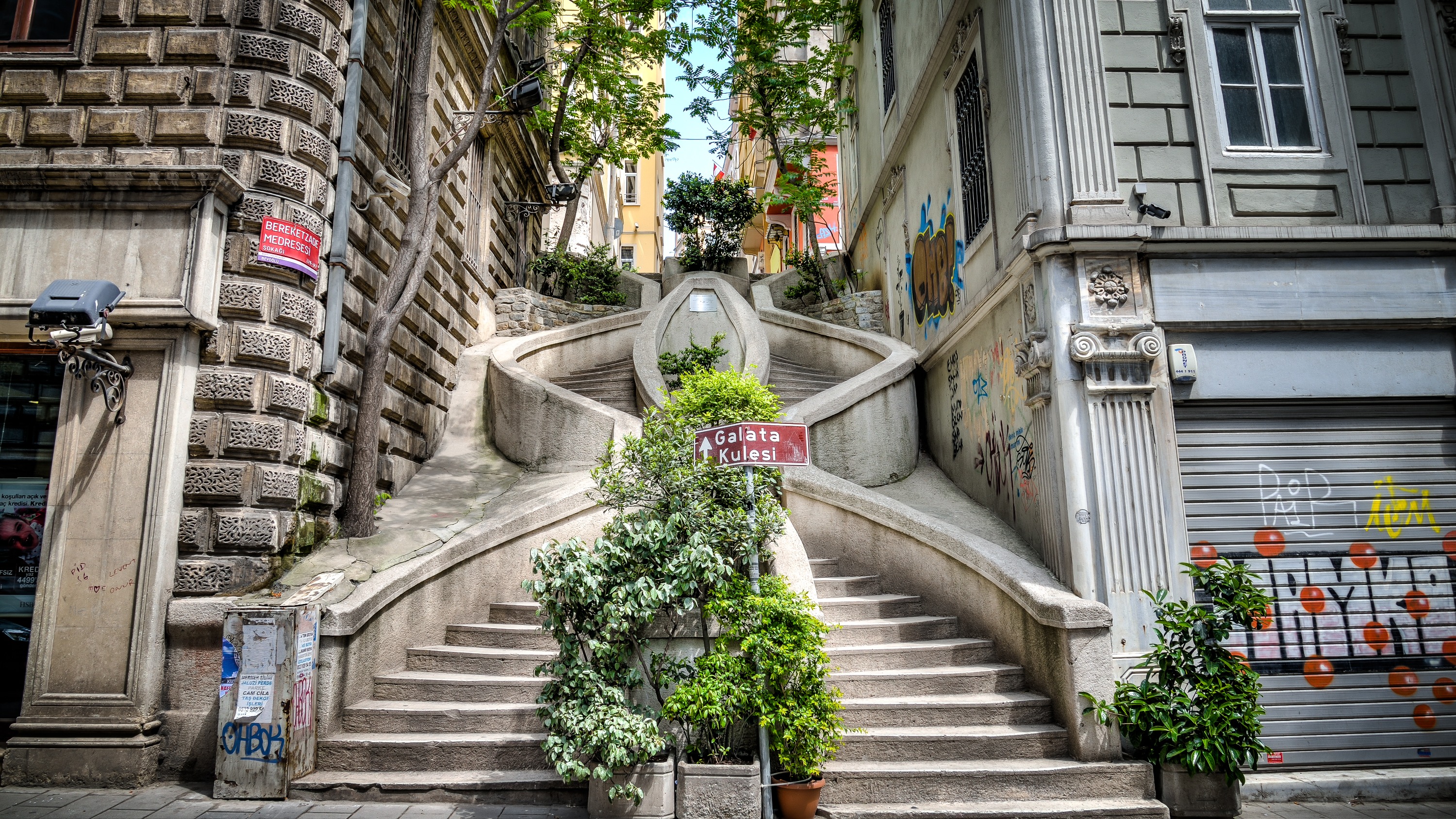
But the House of Camondo was always larger than its Paris branch. The family's deepest roots lay in Istanbul, where they had prospered for over a century before the move to France. The bank's founder, Isaac Camondo, had established a network of family, associates, and descendants across the Ottoman territories and the Mediterranean[8]. Turkey's neutrality during the Second World War ensured that these branches survived intact. In the post-war decades, the surviving Camondo interests regrouped — first in Istanbul, then progressively through Geneva, where Switzerland's neutrality, banking infrastructure, and tradition of private wealth management offered a natural home for a family that had already learned, across five centuries, how to preserve capital through upheaval.
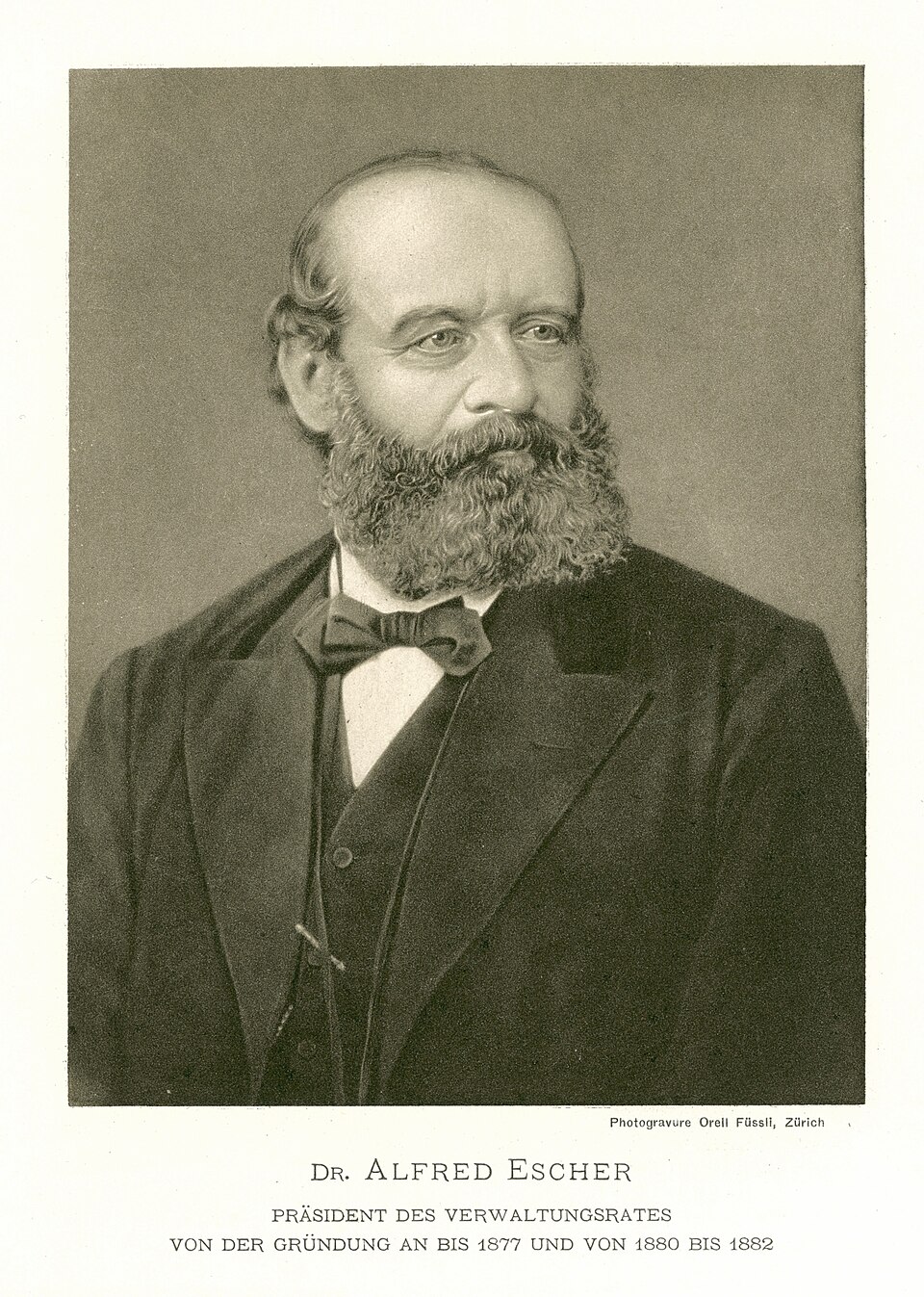
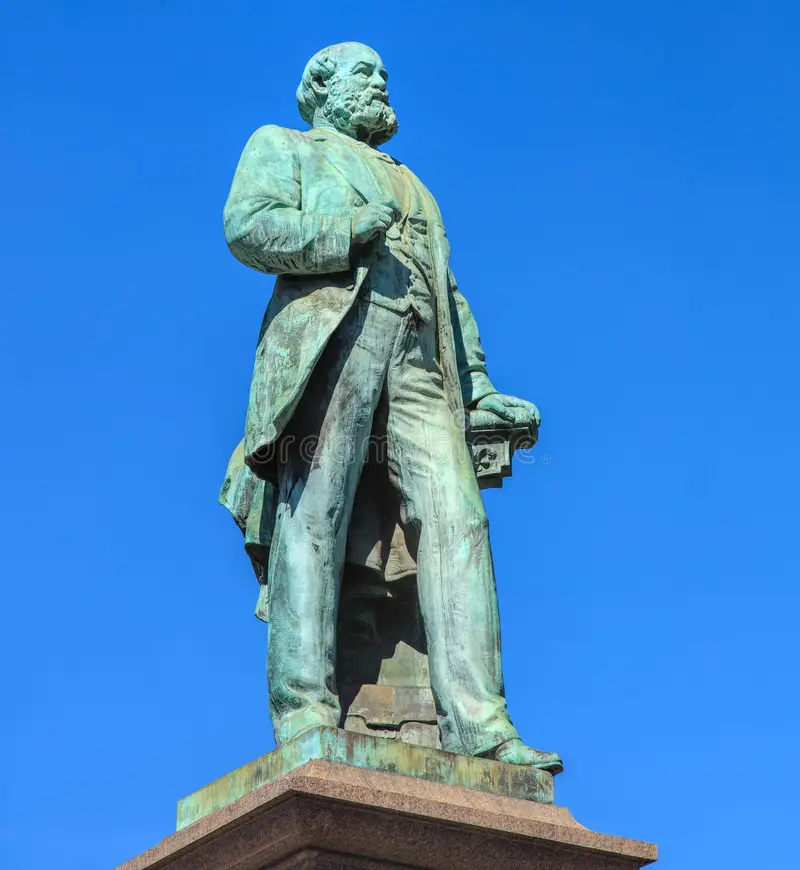
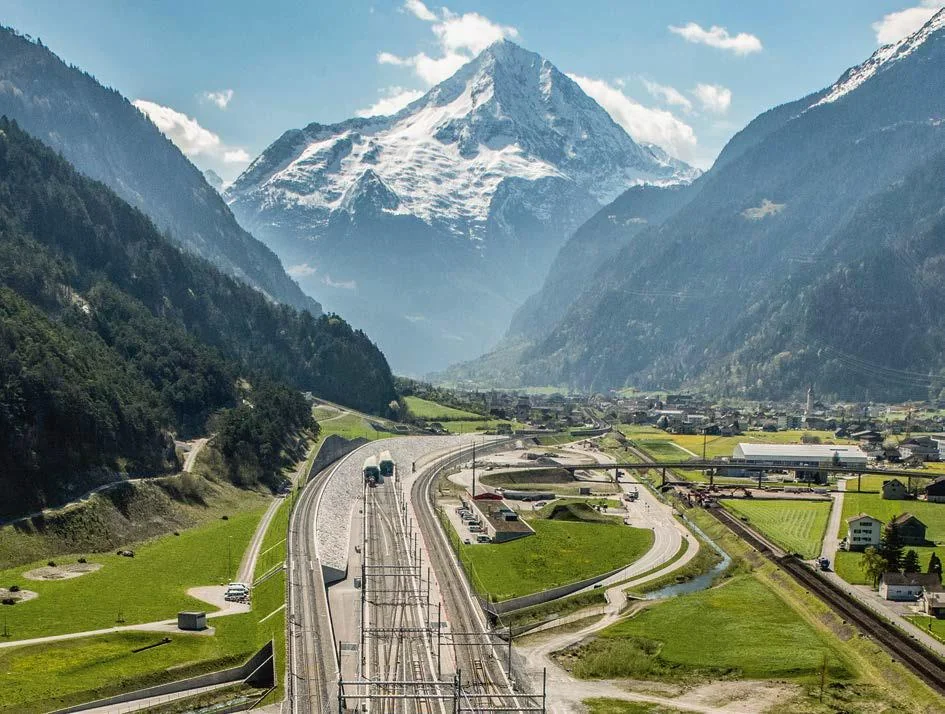
Meanwhile, the broader Escher vom Glas dynasty — documented by academic research as one of Zurich's five most powerful patrician families well into the 20th century[5] — continued to maintain significant financial interests through private investment structures. By the mid-20th century, the family's investment activities had consolidated into a Zurich-based family office, managing long-term positions in Swiss and European infrastructure, real estate, and industrial assets — the sectors Alfred Escher himself had pioneered.
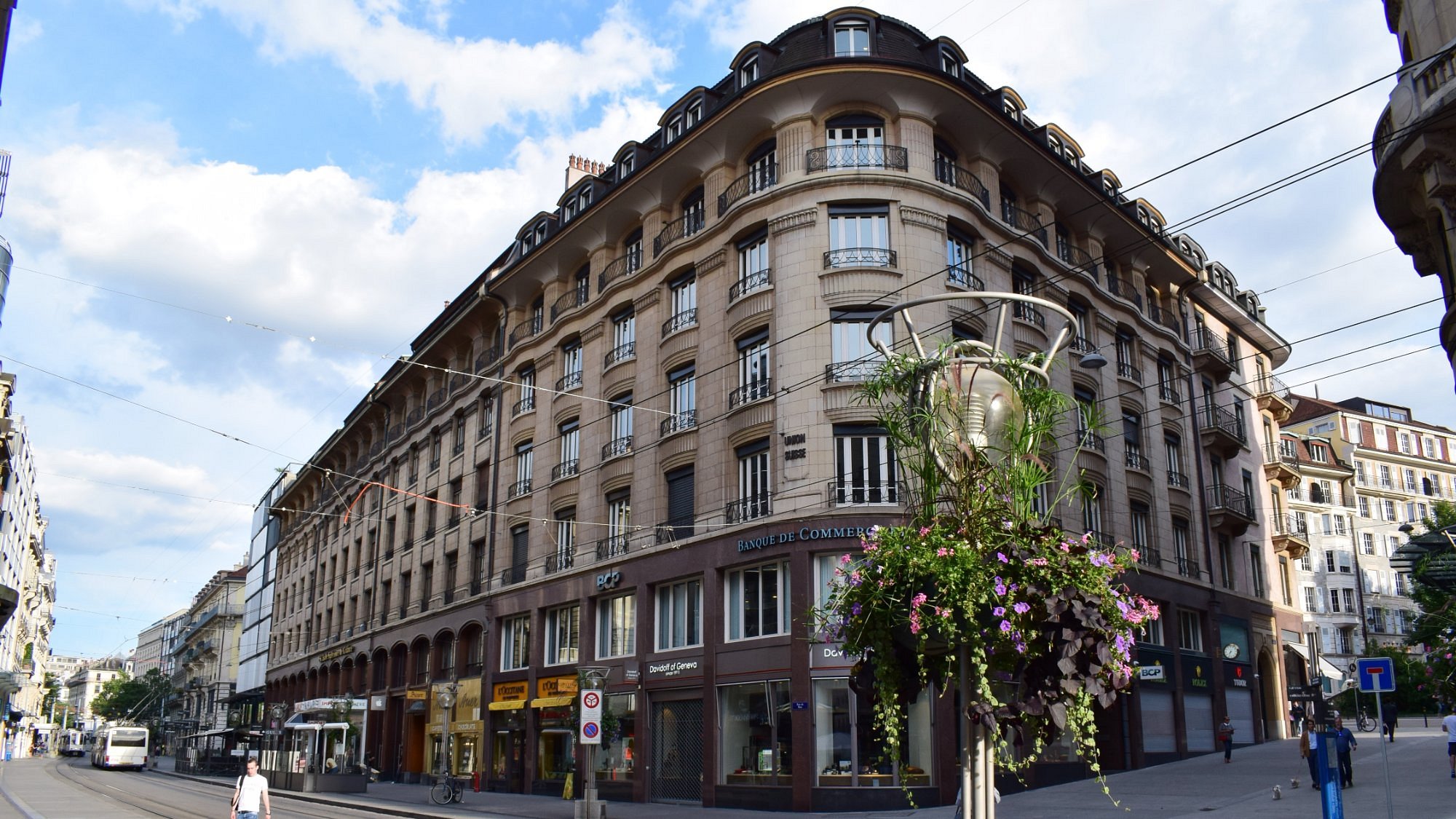
Rue du Rhône, Geneva
The heart of Geneva's private banking district
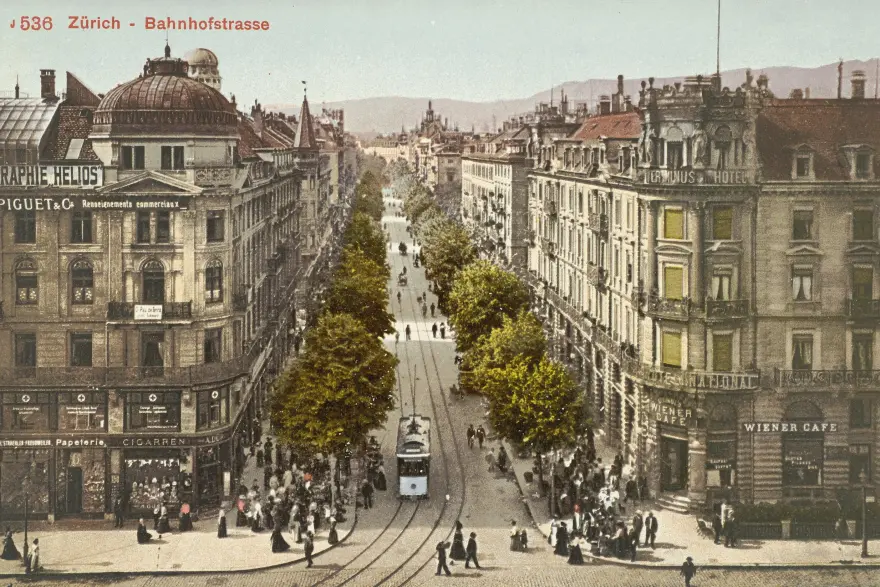
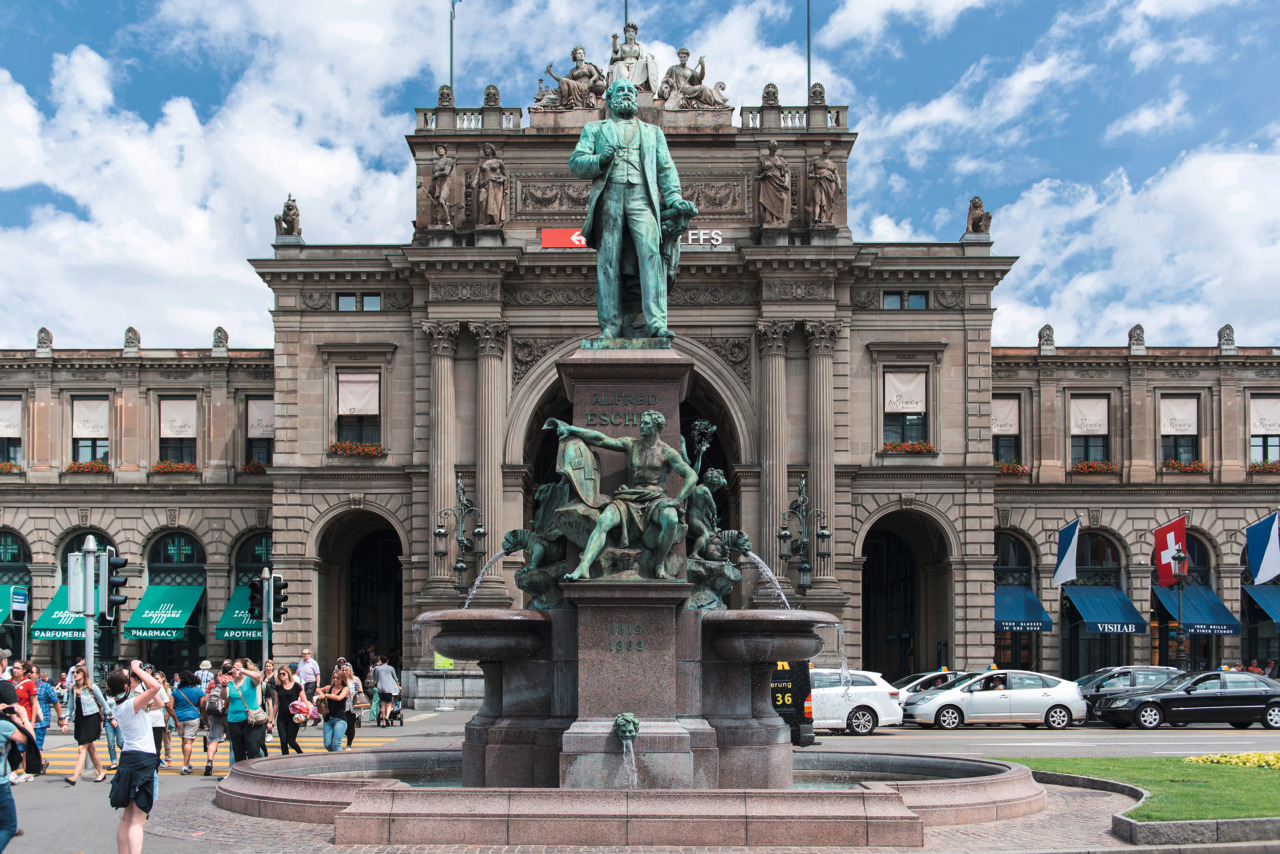
Bahnhofstrasse, Zurich
Home to generations of Escher family financial interests
The path to Escher & Camondo
From shared interests to shared purpose
The convergence of the two families was neither sudden nor accidental. It followed the natural logic of Swiss private finance — a world where the oldest families share advisors, co-invest in the same transactions, and build relationships across generations before formalising them.
Post-war decades
Both families maintained private investment structures in Switzerland — the Escher interests in Zurich, focused on infrastructure and industrial assets; the Camondo interests in Geneva, focused on real estate, trade finance, and cross-border opportunities connecting Europe with the Eastern Mediterranean and the Gulf.
Late 1990s
The two families' investment interests began to overlap in European infrastructure privatisation — the wave of toll road, utility, and port concessions that swept the continent in the lead-up to EU enlargement. Both families participated, through separate vehicles, in several of the same transactions — first as co-investors, then as collaborators sharing due diligence and structuring resources.
2003–2005
A series of joint infrastructure investments in Southern and Eastern Europe formalised the working relationship. The Camondo side contributed cross-border capital access and relationships across the Mediterranean and the Gulf. The Escher side contributed Swiss structuring discipline, regulatory navigation, and deep connections in European institutional finance.
2006
First investments made under the joint "Escher & Camondo" designation — initially an informal co-branding of shared deal flow between the two family offices.
2011
The two families formally unified their joint investment activities under the Escher & Camondo designation through a Geneva-based private arrangement, with a mandate to structure and deploy capital across infrastructure, clean energy, and real estate on a global basis. The firm drew its initial team and deal pipeline from the combined networks of both families, constituted as a professional investment practice carrying forward the values and expertise of its founding traditions.
2021–present
London is the capital-formation and policy nexus — the intersection of investor relations, transaction structuring and policy channels. Drawing on Mayfair's private-club network, London provides direct connection to sovereign wealth allocators, European and American family offices, and European and African policymakers. Dubai is the issuance centre and capital markets hub. Within the DIFC framework, the Dubai office is responsible for participation-threshold setting and quota management, executes product structuring, and manages placement and distribution to qualified investors. Hong Kong is the advisory and institutional coverage platform for Asia-Pacific. The Hong Kong office provides transaction advisory, portfolio-structuring recommendations and ongoing investor-relations services to regional institutional investment mandates and wealth-management platforms. Beijing is the liaison centre for sovereign strategy and policy finance — the interface between E&C investment projects and infrastructure programmes that express national strategic intent, development-finance institutions and multinational cooperation frameworks. The Beijing office originates deal flow from inside state-led project systems and maintains the core institutional relationships that support E&C access before assets enter public-market channels.
"Alfred Escher proved that a single institution could reshape the financial infrastructure of a nation. The House of Camondo proved that a single family could bridge the divide between East and West. Escher & Camondo is where these two traditions converge — not as a memorial, but as a living practice."— Founding statement, Geneva, 2011